Soon a maximum duration of one year for SSL certificates?
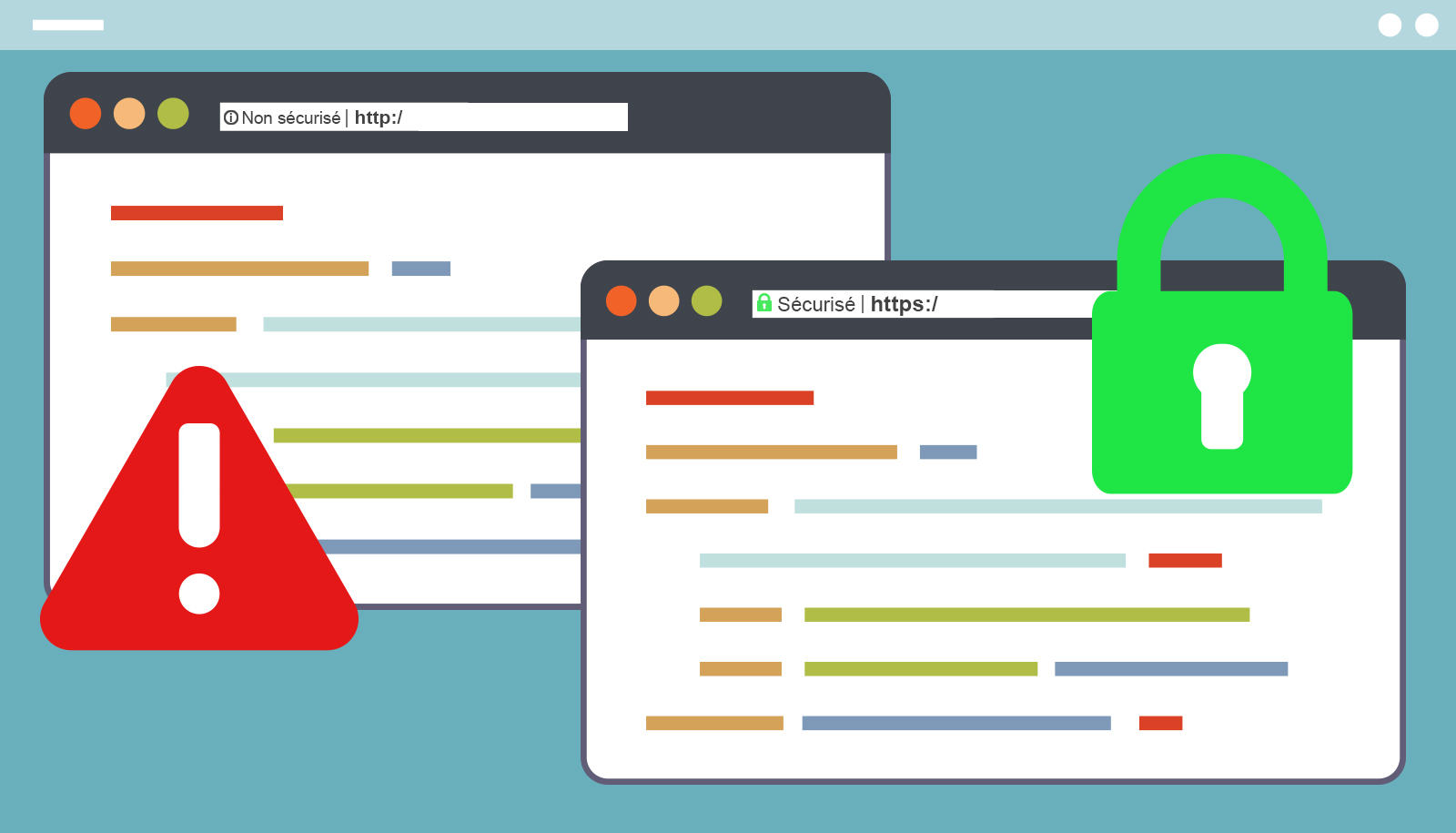
What is happening?
The industry actors plan to reduce the lifetime of SSL/TLS certificates, allowing the HTTPS display in browsers, to 13 months, i.e. almost half of the present lifetime of 27 months, in order to improve security.
Google through the CA/Browser Forum has indeed
proposed this modification, approved by Apple and a Certification Authority, making
it eligible to vote. During the next CA/B Forum meetings, if the vote is
accepted, the modification of the requirements will come into effect in March 2020. Any certificate issued
after the entry into force date will have to respect the requirements of the
shortened validity period.
The aim for this reduction is to complicate
things for cyber attackers by reducing the duration of the use of the potentially
stolen certificates. It could also force companies to use the most recent and
the most secured available encrypting algorithms.
If the vote fails, it’s not to be excluded that
browsers supporting this requirement, unilaterally implement it in their root
program, thus forcing the change to the Certification Authorities. It’s likely
that this could be the case, this change follows Google’s precedent initiative that
aimed to reduce the lifespan from three years to two years in 2018, period during
which Google already wished to reduce it to 13 months or even less.
Who is impacted?
The changes proposed by Google would have an impact on all the users of TLS certificates of public trust, regardless of the Certification Authority that issued the certificate. If the vote passes, all certificates issued or reissued after March 2020 will have a maximum validity of 13 months. The companies using certificates with a validity period superior to 13 months will be encouraged to reconsider their systems and evaluate the impact of the proposed modifications on their implementation and their use.
The TLS certificates issued before March 2020 with a validity period superior to 13 months will stay operational. The public non-TLS certificate, for the code signing, the TLS private code and clients’ certificates, etc. are not concerned. It will not be necessary to revoke an existing certificate following the implementation of the new standard. The reduction will have to be applied during the renewal.
What do the market players think about this?
It would be a global change for the industry with
impacts on all the Certification Authorities. They view this proposition in a negative light. We
can see an economic interest above all, but not solely…
The main argument is that the market is not
ready in terms of automation system of orders and certificates implementations.
Indeed, there would be more human interventions with the risks associated with poor
handling, or simply a higher risk of forgetting a certificate renewal.
For Certification Authorities, reducing the
certificates’ lifespan to such a short term mainly presents an increase of the
human costs related to the certificate portfolio management. If they are not
fundamentally against this decision, they would particularly like more time to
study what users and companies think.
The position of browsers makers
Be it Google or Mozilla, the spearheads of the
native HTTPS massive adoption for all websites and the supporters of the
Let’sEncrypt initiative, what is important is the encrypting of all web
traffic. A reduction of the certificates lifespan reduces the risk of
certificates theft on a long period and encourages the massive adoption of
automated management systems. For these two actors, an ideal world would have
certificate of maximum 3 months. If they are attentive to the market as to not
impose their views too quickly, it is more than likely that in the long term
the certificates’ lifespan will continue to decrease.
Nameshield’s opinion
The market continues its evolution towards shorter
and shorter certificates’ validity, as a continual decrease of the
authentication levels and consequently a need for management automated
solutions that will increase. We will align on these requirements and advise
our customers to prepare themselves for this reduction which will, without a
doubt, arrive. Our Certification Authorities partners will also follow this
evolution and will allow to provide all systems of required permanent inventory
and automation.
To be heard
The CA/Browser Forum accepts comments of external participants and all discussions are public. You can directly enter your comments to the Forum distribution list: cabforum.org/working-groups/ (at the bottom of the page). Nameshield is in contact with CA/Browser Forum participants and will inform you of the future decisions.
First published at nameshield blog